When I was five years old, my mom was brushing my hair and noticed a small white bump on the side of my head. It was barely noticeable, just a little bump under my hair, like a tiny pimple. She frowned and asked, “Does that hurt?” I shook my head, but her expression tightened. She wasn’t worried — she was concerned.
The Beginning
We went to our regular pediatrician the next day. The doctor took one look at the bump, poked it gently, and said, “Oh, it’s probably just a hair bump or a cyst. Nothing to worry about.” He laughed it off and sent us on our way. My mom was relieved. Or at least, she said she was. But I could tell she wasn’t convinced. She kept touching the spot, staring at it like she was trying to see something I couldn’t.
For months, the bump stayed the same. Then slowly, it started to grow. At first, it was just a little bigger. Then it became noticeable. Still, no one else seemed to care. My parents joked that I had a tiny hat on my head. But my mom didn’t laugh. She was quiet. She started researching. She read forums. She asked friends. She didn’t want to believe it, but the more she looked, the more she realized: something was wrong.
What I Discovered
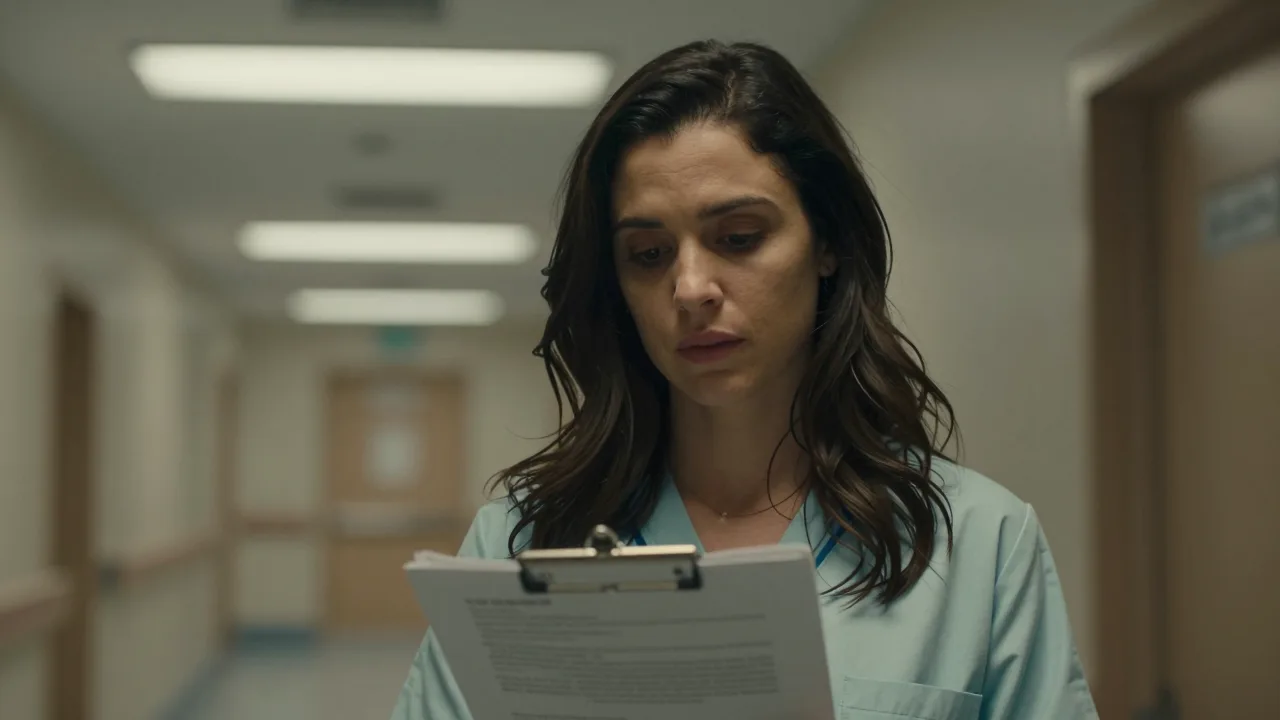
She didn’t want to jump to conclusions. But she also didn’t want to ignore her instincts. “I know my child,” she’d say. “I know when something’s off.” So she made an appointment with a different doctor — a neurologist. This was the second opinion that would change my life.
At the new doctor’s office, the atmosphere felt different. The staff didn’t rush. The doctor took time. He examined the bump carefully, then ordered an MRI. When the results came back, he sat down and said, “This is not a hair bump. This is a tumor — a non-cancerous brain tumor — growing behind your ear.”
My mom trusted her instincts, and it saved my life.
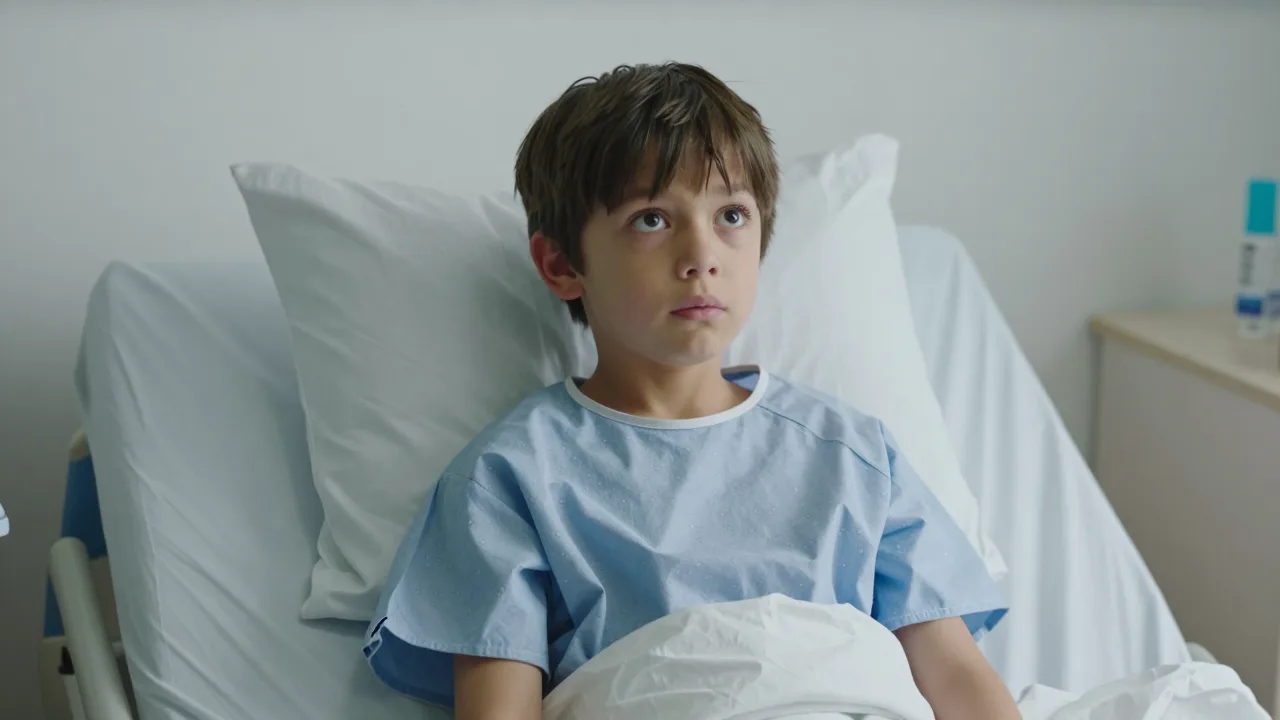
I remember being so young that I didn’t fully understand what was happening. I knew I was going to the hospital. I knew my head had to be shaved. I remember the cold metal of the table. I remember the doctor’s voice saying, “We need to get this out before it causes more damage.” But the worst part wasn’t the surgery. It was the moment before — when the bump burst and I was rushed into emergency surgery.
The Confrontation
They said it was a miracle I survived. The tumor had grown so large and unstable that it ruptured. If my mom hadn’t pushed for that second opinion, I might not have been alive. I can still see the scar today — a thin white line running through my hairline. It’s a reminder. A physical mark of a moment when my mom refused to accept the easy answer.
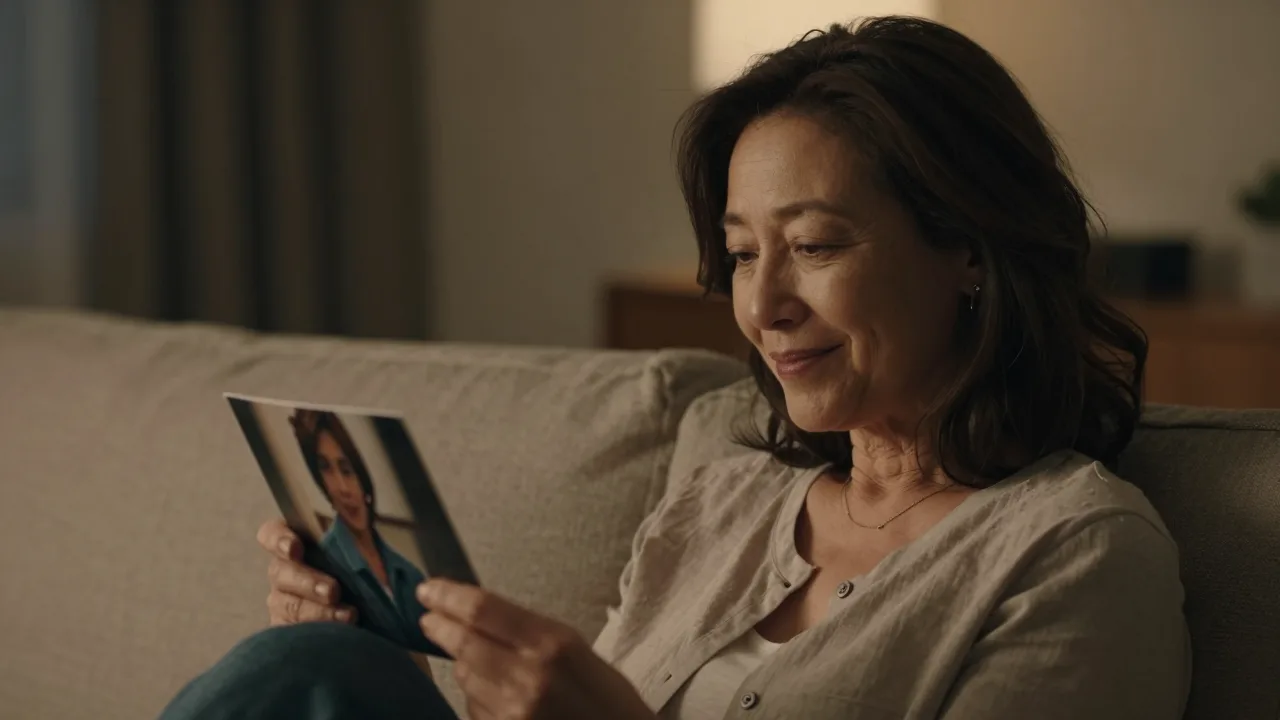
She passed away years ago. I’ve thought about her every time someone says, “I don’t want to bother the doctor with another opinion.” Or when someone shrugs and says, “The first doctor said it’s fine.” I want to scream: Don’t trust the first answer! This wasn’t about doubting the doctor. It was about making sure I had all the information. It was about trusting my mom’s love — and my own instincts.
Looking Back
Today, I never take the first diagnosis at face value. I always ask questions. I always seek a second opinion. It’s become my rule. I’ve seen others go through similar things. One friend told me she had a mole that doctors said was harmless — but she pushed for a biopsy. It turned out to be melanoma. Another woman said her pain was dismissed for years until her mother forced her to see a different doctor. She had a rare condition that was nearly fatal.
- Don’t trust your gut alone — but don’t ignore it either.
- Doctors are human — even the best ones can miss something.
- Advocating for yourself doesn’t make you difficult — it makes you brave.
My mom didn’t have a medical degree. She didn’t have a PhD. She just had love — and a deep, unshakable belief that her child mattered. I wish I could tell her how much that changed my life. I wish I could thank her. But I know she’d smile and say, “Of course I did. You’re my child.” And maybe that’s the most important lesson of all.
So if you’re ever told something is fine — but it doesn’t feel right — listen to that voice inside you. Because sometimes, the truth isn’t in the diagnosis. It’s in the second opinion. It’s in the stubborn love of someone who refuses to give up.

0 Comments
Leave a Comment
Comments must be in English and will be reviewed before appearing.
No comments yet. Be the first to share your thoughts!