
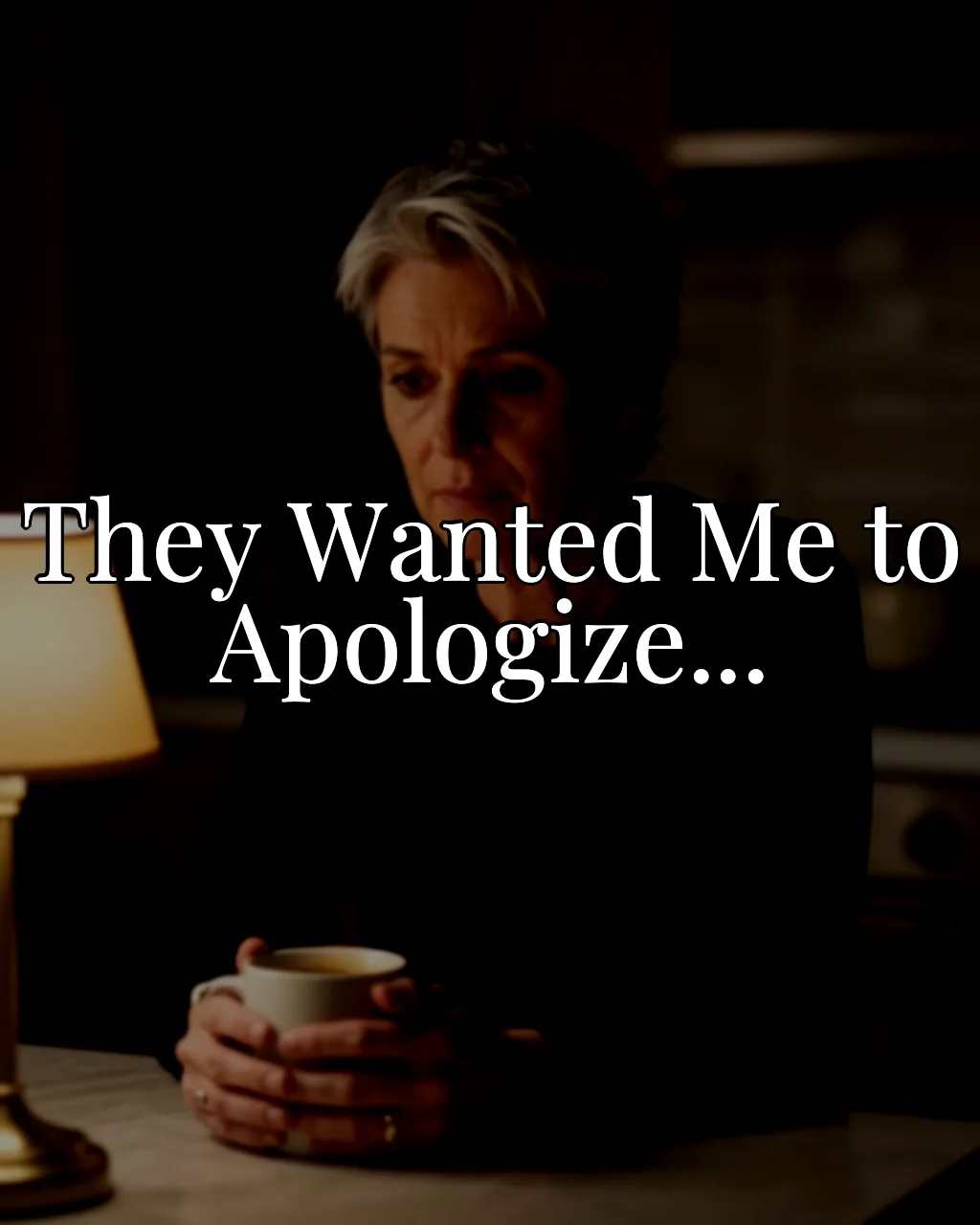
When my mother-in-law passed away, I didn’t just grieve—I felt like the world had shattered around me. She wasn’t just a mother to my husband; she was a mentor, a confidante, and someone who had always treated me like a daughter. I’d helped care for her during her illness, supported her financially, and stood by her side through every painful moment. When she died, I was broken.
But what happened next was worse than the grief. Because I didn’t go out of my way to talk to my husband’s nephews at the memorial—because I’d already given them my condolences multiple times during the family gathering—I became the villain. They hadn’t spoken to me in four years. Not one of them had reached out to me after my mother-in-law’s passing. Not a single one. But somehow, they felt entitled to demand an apology from me.
The Beginning
My husband and I built this business together. We started small, and over the years, it grew into something we both poured our hearts into. One of his brothers worked here—paid well, trained his kids here for free. It was a family thing, or so it seemed. But then things started to sour. I remember one moment with his son. The boy was being loud and disruptive. I gently corrected him. It was a simple thing, but it was enough to spark a fire. Then, I made a light joke with another child—something harmless, even playful. But it was taken as an insult.
They didn’t talk to me about it. They didn’t come to me. But I later found out they expected an apology. And when I didn’t give one—because I didn’t know I was supposed to—I was told I’d been disrespectful. That was the first crack in the foundation. Then, the family left. They walked away. But they didn’t just leave their roles—they left behind a war.
What I Discovered
They didn’t just walk away from the business. They attacked it. I found out later they’d started spreading rumors. Telling people I was difficult. That I treated staff unfairly. They told members to leave. They even tried to discredit the work I’d done. It felt like a calculated hit—like they wanted to take me down, not just walk away.
It wasn’t just about me. It was about the business I’d built from nothing. I’d spent years working 14-hour days, often putting my own life on hold. I’d invested my savings, my time, my energy. And they wanted to destroy it all because of a joke, a correction, a misunderstanding no one ever talked through. I was hurt. But I didn’t retaliate. I kept my head down. I kept building.
The Silence After They Left
For years, we didn’t speak. Not one word. No phone calls, no texts, not even a holiday card. I tried to stay in my lane. I focused on my family, on my work, on healing. But the silence wasn’t just empty—it was tense. I knew they were watching. I knew they were still holding onto the resentment.
Then came the news: my mother-in-law was gravely ill. I didn’t hesitate. I visited her. I helped with care. I paid for medications. I sat with her in the hospital. I was there every step of the way. When she passed, I was devastated. I didn’t just lose a mother-in-law—I lost someone who had always treated me with kindness.
The Confrontation
On the day she died, the entire family gathered. I hugged my husband’s brother, his wife, their children. I looked them in the eyes and said, “I’m so sorry.” I said it again. And again. I didn’t want any space between us. I wanted them to know I cared. I had already offered my condolences in person. I had held space for their grief. I didn’t need to do it again.
Then, two weeks later, we went to the memorial. I expected silence. I expected grief. But what I got was judgment. And when I didn’t go over to the nephews and say, “I’m so sorry again,” my husband’s brother turned on me. “You should apologize,” he said. “You’re being disrespectful.”
“You offered condolences once. You said your peace. That’s enough,” I replied. “You didn’t even offer me one.”
He blinked. He didn’t know what to say. But my husband—my husband, the one I’d stood beside for over a decade—said, “They want to come back. We could use them. You should apologize.”
I stared at him. Apologize for what? For being human? For mourning a woman who had raised my husband? For not groveling to people who had once tried to ruin my life? I didn’t say anything. I just walked away.
Looking Back
Now, I sit here, trying to make sense of it all. I’ve been married for years. I’ve sacrificed for this family. I’ve supported them through illness, through loss, through everything. And yet, I’m being blamed for not meeting their emotional demands.
They want me to apologize so they can walk back into the business I built. That’s the real story here. It’s not about grief. It’s not about respect. It’s about control. It’s about power. And I won’t play that game.
Because here’s the truth: I have no interest in going back to that drama. I have no need to justify my actions. I’ve already shown kindness. I’ve already held my peace. I’ve already done everything I could.
And I won’t apologize for being human.




0 Comments
Leave a Comment
Comments must be in English and will be reviewed before appearing.
No comments yet. Be the first to share your thoughts!