

When I got the call this morning, I froze. It wasn’t just the news — it was the way it landed. After years of remission, after surgeries, scans, and endless hope, it was back. And not just once. This time, it’s multiple types. In more than one place. My body is a war zone.
The Beginning
I was 17 when I got diagnosed with melanoma. Back then, I thought cancer was something that happened to old people. I remember the doctor saying the word like it was a puzzle piece, not a life sentence. I survived. Then it came back. And again. And again. By the time I turned 22, I’d been through more than most people do in a lifetime.
For years, I’ve kept a small circle of people who know the truth about my body. My family, my closest friends — they’ve been incredible. Most of the time, they show up. They bring food, they call, they listen. They don’t treat me like I’m fragile. They treat me like a person who’s just… going through a really hard thing.
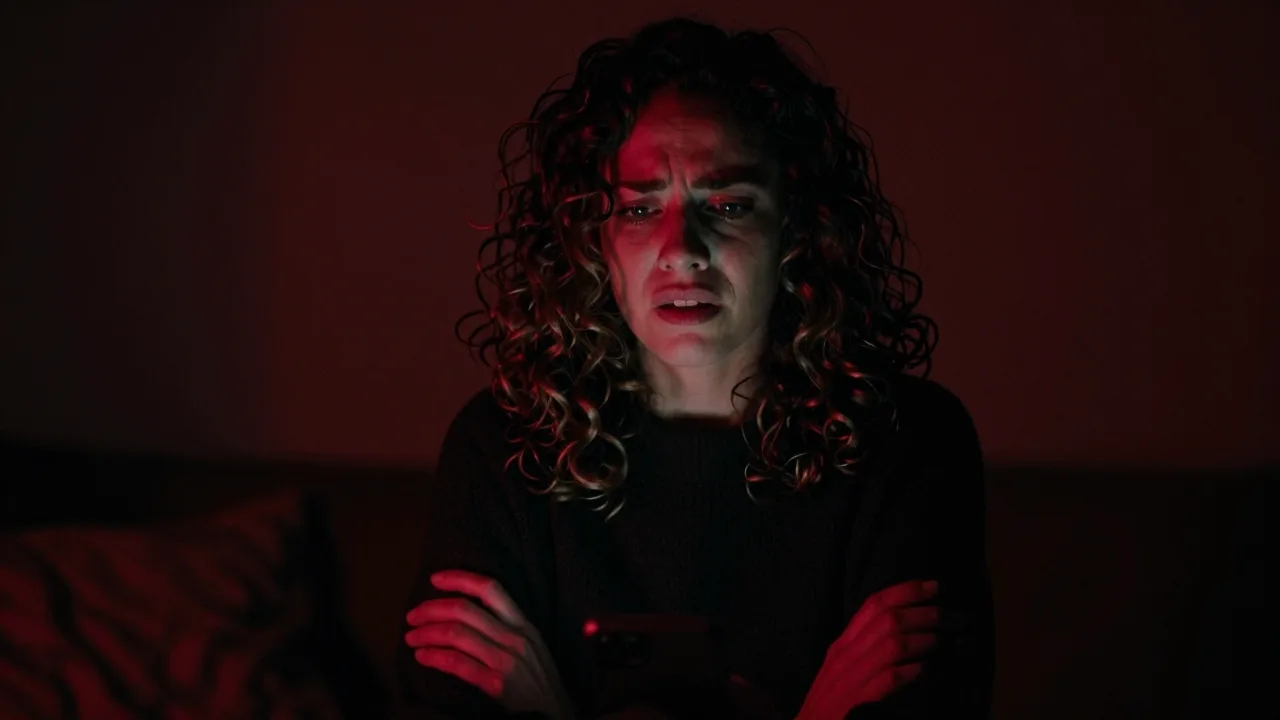
And then came the biopsy. The waiting. The anxiety. I didn’t sleep for days. I kept checking my phone, terrified of that call. When it came, I sat on my couch, hands trembling. “It’s cancer,” the voice said. “Multiple types.” I didn’t even have the energy to cry.
What I Discovered
After the call, I knew who I needed to tell first. My best friend, K. We’ve been close since college. She’s the one who took me to my first chemo appointment, who stayed up with me during my worst nights, who brought me soup when I couldn’t move. I called her immediately.
“I got the results,” I whispered. “It’s cancer again. And it’s… worse.”
She started crying. Not just a little. Full-on sobbing. And I thought, okay, this is a lot. It’s a lot for anyone. But then she said something that caught me off guard.
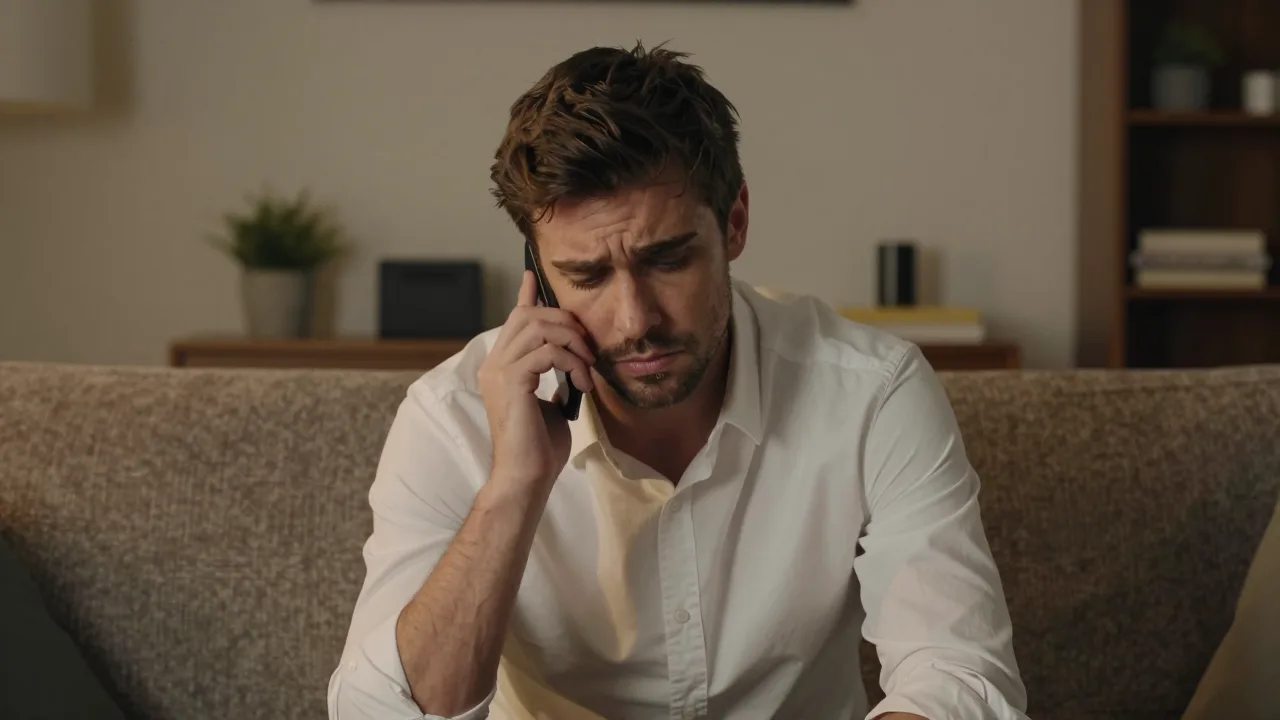
“I can’t handle this. I just keep getting bad news after bad news. Haven’t I been through enough?”
My heart stopped. What? I didn’t know how to respond. I asked her what she meant. She told me she’d been struggling with money. She’d bought new clothes. Her rent was a joke — she wasn’t even paying rent, not really. It was to pay back her parents, who she’d taken money from last year. She wasn’t poor. She wasn’t even trying to be poor. She was just… irresponsible.
And then she said it. “I just keep getting bad news after bad news.” As if her financial mess was on the same level as my cancer diagnosis. As if her stress over not having enough money to cover her rent — which she was using to pay back stolen funds — was somehow equal to an active cancer diagnosis.
The Emotional Switch
At that moment, I wasn’t angry. I was confused. I was hurt. I felt like I was being dismissed. Like my pain was just… background noise to her own emotional crisis.
I said something that maybe I shouldn’t have. I asked her if she really thought her lack of financial planning was worse than my cancer. I didn’t say it to be cruel. I said it because I was trying to understand. To make her see.
But she didn’t see. She got defensive. She said I had no right to judge her. She said I was throwing her pain in her face. She said I was a terrible friend.
Then she hung up.
The Confrontation
I sat there. Still holding the phone. Still hearing her voice. “I’m a terrible friend.” I didn’t know what to do. I didn’t want to call her back. But I did. I sent a message. I said I was sorry if I’d hurt her. I said I didn’t mean to be harsh. I asked if she wanted to talk when she was calmer.
She didn’t reply.
Now, I’m sitting here wondering — am I the asshole? Should I have handled it differently? Should I have just let her cry? Should I have swallowed my feelings and said, “It’s okay, I understand, your problems are real too”? I don’t know.
But I do know this: When someone you care about tells you they have cancer — and you react with “I can’t handle this” because you’re worried about your rent — it’s not about them. It’s about you. And that’s not friendship. That’s self-absorption.
“I don’t get why you’re friends with her.”
That’s what a mutual friend said. And I don’t know if they were right. Maybe I should’ve cut her off when I first started noticing the pattern. Maybe I should’ve seen it sooner. But I didn’t. I thought she was my friend. I thought she’d be there for me when I needed her most.
And now I’m wondering — were we ever really friends? Or was I just the one who showed up when she needed someone to care? Because frankly, I think I’ve done more than enough.
Looking Back
Looking back, I realize something. I’ve been through a lot. But I’ve never had to console someone who didn’t feel the weight of their own actions. I’ve never had to sit and listen while someone says their financial struggles are worse than a life-threatening illness. I’ve never had to hear, “I can’t handle this,” while I’m lying in bed wondering if I’ll be alive in six months.
And now I know: I don’t need friends who make me feel guilty for being sick. I don’t need people who use my pain to justify their own. I need people who show up. Who care. Who don’t turn a life-altering moment into a pity party for themselves.
So what happens next? I don’t know. I’m not sure if we’ll ever talk again. But I do know that I won’t apologize for being honest. I won’t apologize for needing someone to feel my pain, not just hear about it. And I won’t let someone tell me that their problems are bigger than mine — because they’re not.
Not in the least.



0 Comments
Leave a Comment
Comments must be in English and will be reviewed before appearing.
No comments yet. Be the first to share your thoughts!